How Large Riprap Protects South Texas Infrastructure from Erosion
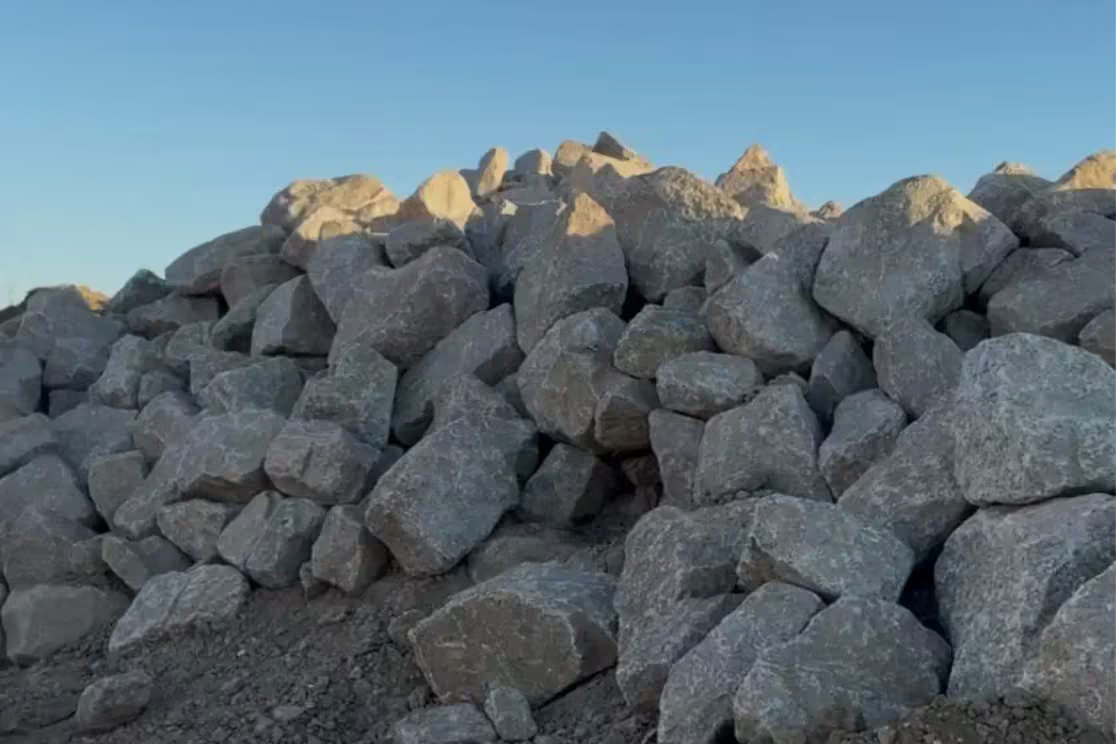
Erosion is a constant challenge in South Texas. Between seasonal flooding, irrigation runoff, and the Rio Grande itself, moving water steadily eats away at slopes, channels, and the edges of critical infrastructure. Large riprap is one of the most proven solutions for holding that ground in place.
What Is Large Riprap?
Riprap is heavy, angular stone — typically ranging from 12 inches to several feet in diameter — placed along vulnerable surfaces to absorb and redirect the energy of moving water. Unlike smaller aggregates or gravel, large riprap is sized specifically for high-flow environments where lighter materials would simply wash away.
The irregular shape of each stone is a feature, not a flaw. When placed together, the pieces interlock naturally, creating a dense, stable surface that resists displacement even under sustained water pressure. That mechanical interlocking is what makes riprap so effective compared to poured or fabricated alternatives.
Where Large Riprap Gets Used in the Valley
Across the Rio Grande Valley and South Texas, large riprap shows up on a wide range of erosion control projects:
- Channel lining — Drainage channels and irrigation canals that carry fast-moving water need riprap along their banks and beds to prevent undermining.
- Bridge abutments and culverts — The areas around bridges and culvert outlets are especially vulnerable to scour. Riprap protects these structures from being weakened over time.
- Slope stabilization — Highway embankments, levee faces, and retention pond slopes all benefit from riprap coverage to prevent surface erosion.
- Shoreline protection — Along the Rio Grande and other waterways, riprap provides a durable barrier against bank erosion during high-water events.
- Stormwater outfalls — Where drainage systems discharge into open channels or retention areas, riprap dissipates the concentrated flow and prevents localized erosion.
Why the Right Stone Matters
Not all rock works as riprap. The stone needs to be dense enough to resist displacement, angular enough to interlock, and durable enough to hold up under years of water exposure without breaking down. Soft or rounded stone will shift, settle, and ultimately fail — costing more in repairs than the initial material savings.
Frontera Materials sources stone from our own quarries across the Rio Grande Valley. That means we control the quality, gradation, and supply — and we can deliver the volume that erosion control projects demand without delays from third-party sourcing.
Sourcing and Delivery for Erosion Control Projects
Large riprap is heavy material. A single project can require hundreds or thousands of tons, and the logistics of getting it to the job site on schedule directly affect your project timeline. Working with a local supplier who owns their own quarries means shorter haul distances, lower transportation costs, and the ability to scale deliveries up or down as the project progresses.
We deliver riprap and other aggregates across the Valley — from McAllen and Edinburg to Brownsville and Laredo. Whether you need a few loads for a culvert repair or a long-term supply contract for a major channel project, we have the capacity and the material to keep your erosion control work on track.
Planning an Erosion Control Project?
If you have an upcoming project that requires large riprap or other erosion control materials in South Texas, contact us to discuss quantities, sizing, and delivery logistics. We work with contractors, engineers, and municipalities across the Rio Grande Valley to supply the right material for the job.